
Understanding Technology Transfer: Importance and Impact


What is Technology Transfer?
Technology transfer is the process of transferring skills, knowledge, technologies, and manufacturing methods from one organization to another. This often occurs between universities, government labs, and private companies. The aim is to ensure that scientific and technological developments are accessible to a wider range of users who can further develop and exploit the technology into new products, processes, applications, materials, or services.
Technology transfer can occur in various forms, including licensing agreements, joint ventures, partnerships, and collaborations. It plays a crucial role in fostering innovation and economic growth by bridging the gap between research and commercialization.

The Importance of Technology Transfer
Technology transfer is essential for several reasons. Firstly, it accelerates the pace of innovation. By sharing advancements across sectors, organizations can enhance their capabilities and drive competitive advantage. This sharing of knowledge helps to avoid duplication of effort, thereby saving time and resources.
Secondly, technology transfer contributes to economic growth. By transforming scientific research into viable products and services, it creates new business opportunities and jobs. This can lead to increased productivity and the development of new markets.
Facilitating Global Collaboration
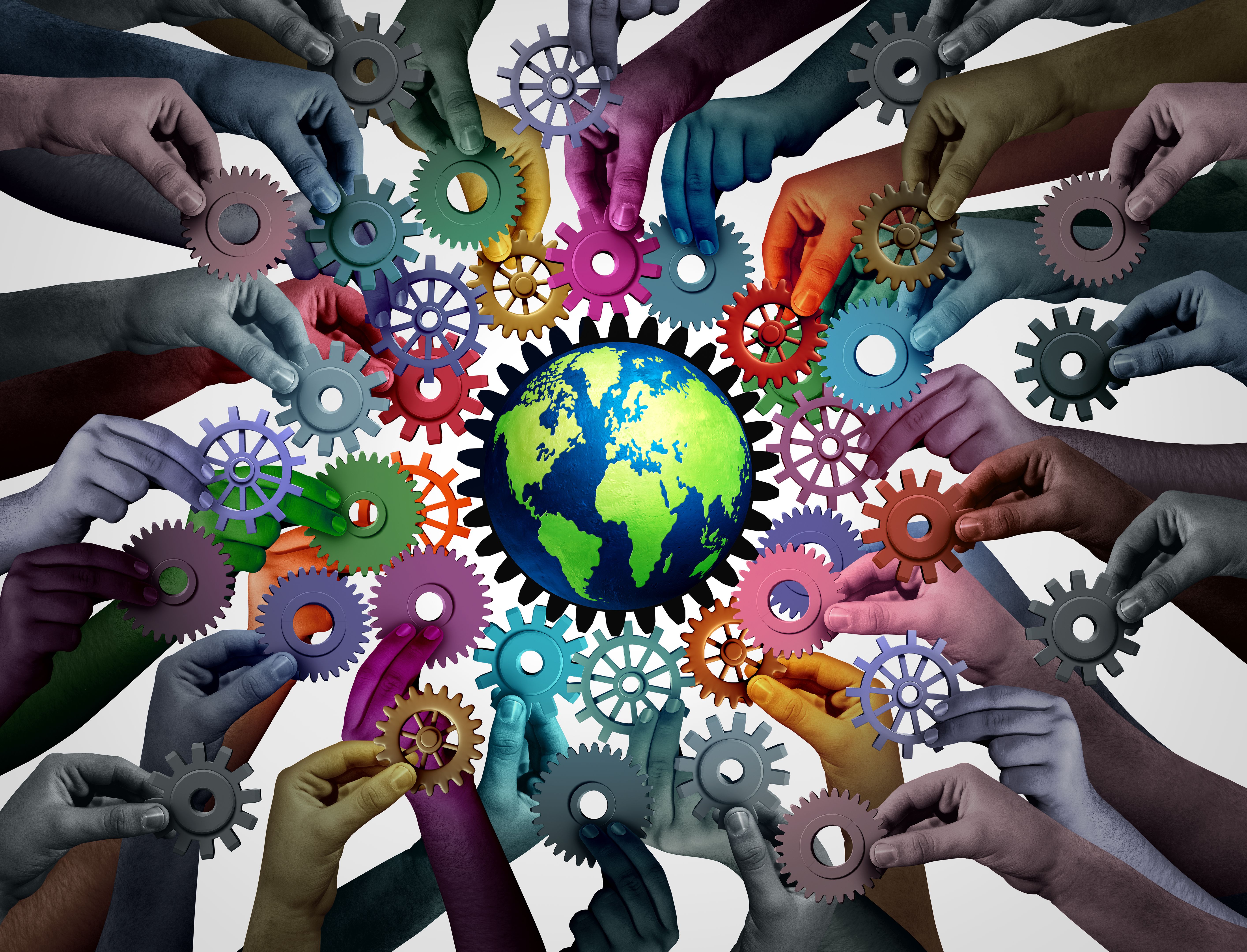
Another significant benefit of technology transfer is its ability to facilitate global collaboration. By working together, countries and organizations can address common challenges such as climate change, healthcare, and sustainable development more effectively. This collaboration often leads to groundbreaking innovations that might not have been possible in isolation.
The Impact of Technology Transfer
The impact of technology transfer extends beyond economic gains. It also has social and environmental implications. For instance, technology transfer in the healthcare sector can lead to the development of new treatments and medical devices, improving the quality of life for many people.
In the environmental sector, technology transfer can aid in the development of sustainable technologies that reduce carbon emissions and promote cleaner energy sources. This can have a profound impact on combating climate change and preserving natural resources for future generations.
Challenges in Technology Transfer
Despite its benefits, technology transfer is not without challenges. Intellectual property issues, cultural differences, and differing regulations can hinder the process. Ensuring that all parties involved have a clear understanding and agreement is crucial to overcoming these obstacles.

Strategies for Effective Technology Transfer
To facilitate effective technology transfer, organizations can implement several strategies. One approach is to establish clear communication and collaboration channels. This involves setting up dedicated teams or units that focus on technology transfer activities.
Another strategy is to develop strong partnerships with academia, industry, and government entities. By building robust networks, organizations can leverage resources and expertise to drive innovation forward.
- Engage in proactive communication and transparency.
- Foster a culture of innovation and continuous learning.
- Develop flexible agreements to accommodate different needs.
Conclusion
Technology transfer is a vital component of modern innovation ecosystems. By understanding its importance and impact, stakeholders can better navigate the challenges and opportunities it presents. As technology continues to evolve, effective transfer mechanisms will play an increasingly critical role in shaping the future of industries and societies worldwide.