
Myths and Facts About AI-Powered Technology Transfer


Understanding AI-Powered Technology Transfer
AI-powered technology transfer is transforming the way innovations move from research labs to commercial applications. This process leverages artificial intelligence to streamline the identification, evaluation, and commercialization of technologies. However, several myths surround this emerging field, often obscuring its true potential. In this post, we'll explore some common myths and the facts that debunk them.

Myth 1: AI Replaces Human Expertise
A common misconception is that AI will replace human expertise in technology transfer. In reality, AI serves as a powerful tool that complements human decision-making. While AI can analyze vast datasets and identify patterns faster than any human, the nuanced understanding of market needs and strategic partnerships still relies heavily on human insight.
Fact: AI enhances human capabilities, allowing experts to make more informed decisions and focus on complex problem-solving.
Myth 2: AI-Powered Transfer Is Only for Big Companies
Many believe that only large corporations with substantial resources can benefit from AI-powered technology transfer. This myth overlooks the accessibility and scalability of AI solutions. Even small and medium-sized enterprises can leverage AI to optimize their innovation processes and gain competitive advantages.
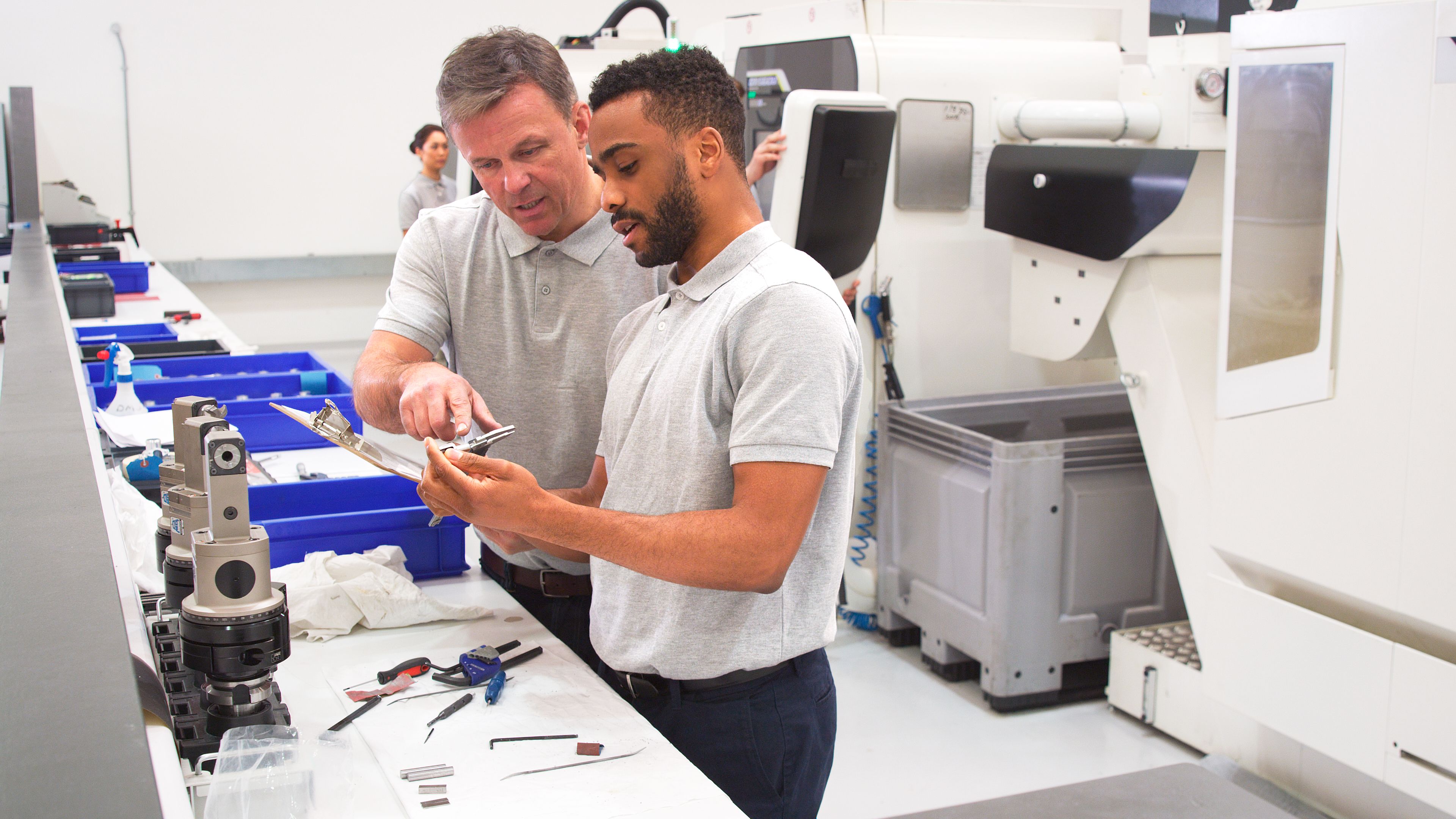
Fact: AI-powered tools can be tailored to fit the needs and budgets of organizations of all sizes, democratizing access to advanced technology transfer capabilities.
Benefits of AI in Technology Transfer
AI offers numerous benefits in technology transfer, such as improving the speed and accuracy of technology assessments. By analyzing market trends and patent landscapes, AI can identify the most promising innovations for commercialization.
- Faster evaluation of technologies
- Improved accuracy in market predictions
- Enhanced matchmaking with potential partners
Myth 3: AI Decisions Are Infallible
Another myth is that AI decisions are always correct. While AI provides data-driven insights, it is not immune to errors. Factors such as biased data or misinterpretations can lead to incorrect conclusions.
Fact: Human oversight is essential to validate AI outputs and ensure that decisions align with strategic goals.
Challenges in AI-Powered Technology Transfer
Despite its advantages, implementing AI in technology transfer presents challenges. These include data privacy concerns, the complexity of AI systems, and the need for skilled personnel to manage AI tools.
- Ensuring data security and privacy
- Managing the complexity of AI tools
- Training staff to effectively use AI technologies
Addressing these challenges requires a strategic approach and a commitment to ongoing education and adaptation.
In conclusion, AI-powered technology transfer holds immense potential to revolutionize the way innovations reach the market. By dispelling myths and understanding the true capabilities of AI, organizations can harness this technology to drive growth and innovation.