
Myth-Busting: Common Misconceptions About AI-Driven Tech Transfer


Introduction to AI-Driven Tech Transfer
As artificial intelligence (AI) continues to revolutionize various fields, tech transfer is no exception. The application of AI in this domain has sparked both excitement and skepticism. In this post, we aim to debunk some of the most common misconceptions surrounding AI-driven tech transfer, shedding light on its true potential and limitations.

Misconception 1: AI Replaces Human Expertise
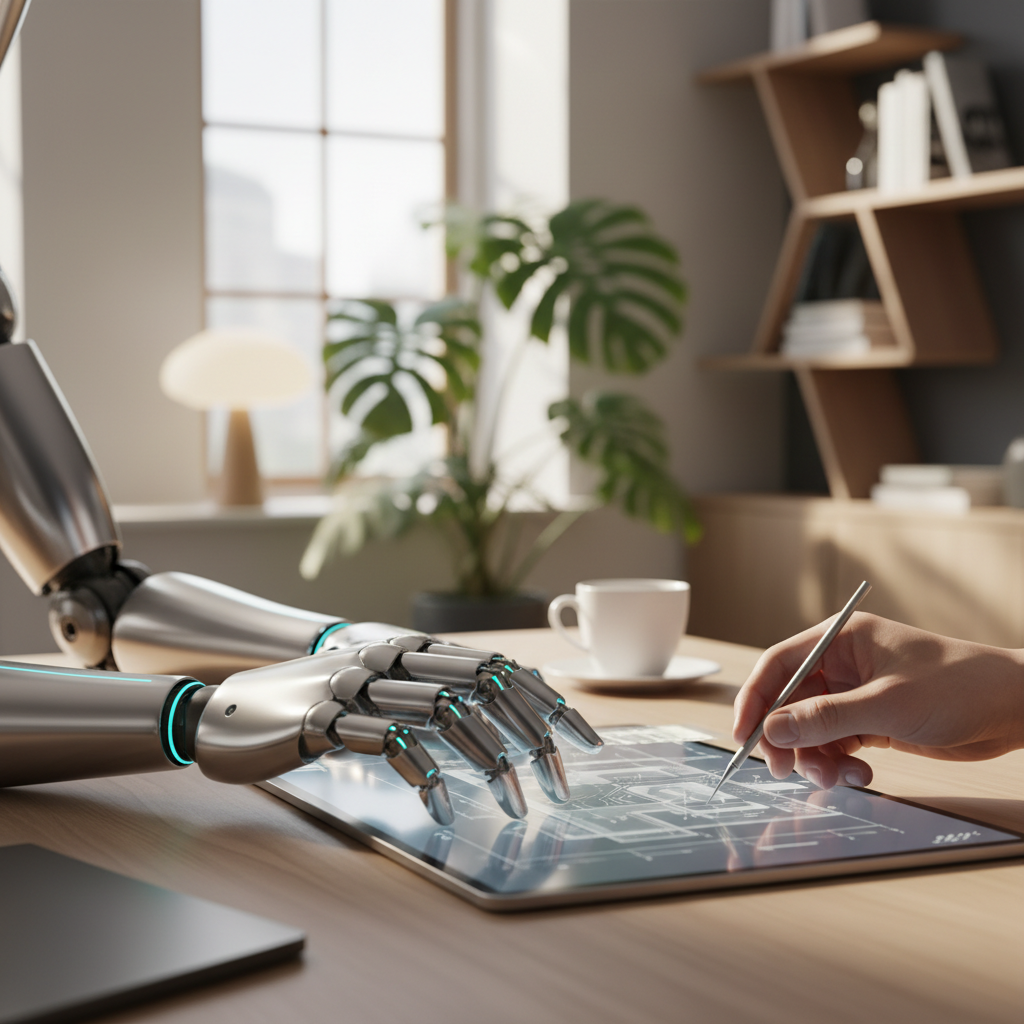
A prevalent belief is that AI will completely replace human expertise in tech transfer processes. This is far from the truth. While AI can significantly enhance efficiency, it works best when complementing human intelligence. AI tools can analyze vast datasets and identify patterns, but the nuanced understanding and strategic decision-making still require human intervention.
The Role of Human Judgment
AI can automate repetitive tasks and offer insights, yet the final decisions, especially those involving strategic direction and ethical considerations, are best made by humans. In essence, AI acts as a powerful tool in the hands of skilled professionals.
Misconception 2: AI-Driven Tech Transfer is Only for Large Corporations
Another common myth is that only large corporations can afford or benefit from AI-driven tech transfer. In reality, AI tools are becoming increasingly accessible, offering scalable solutions suitable for organizations of all sizes. Small and medium enterprises (SMEs) can leverage AI to streamline their processes and enhance innovation.
Affordability and Accessibility
Many AI solutions are now available as cloud-based services, which reduces the need for significant upfront investment. This democratizes access, allowing even smaller entities to harness the power of AI for tech transfer.

Misconception 3: AI is Error-Free
There's a misconception that AI, being a product of advanced algorithms, is free from errors. However, AI systems are only as good as the data they are trained on. Biases in data can lead to inaccurate predictions and outcomes, making human oversight crucial.
Importance of Data Quality
Ensuring high-quality, unbiased data is essential for the effective functioning of AI systems. Continuous monitoring and updates are necessary to maintain the accuracy and relevance of AI-driven insights.

Conclusion: Embracing AI with Clear Understanding
AI-driven tech transfer is an evolving field with immense potential to transform how we innovate and collaborate. By dispelling these misconceptions, organizations can better understand how to integrate AI effectively, maximizing its benefits while acknowledging its limitations.
As we continue to explore AI's capabilities, a balanced approach that combines technological prowess with human expertise will be key to successful tech transfer in the future.